
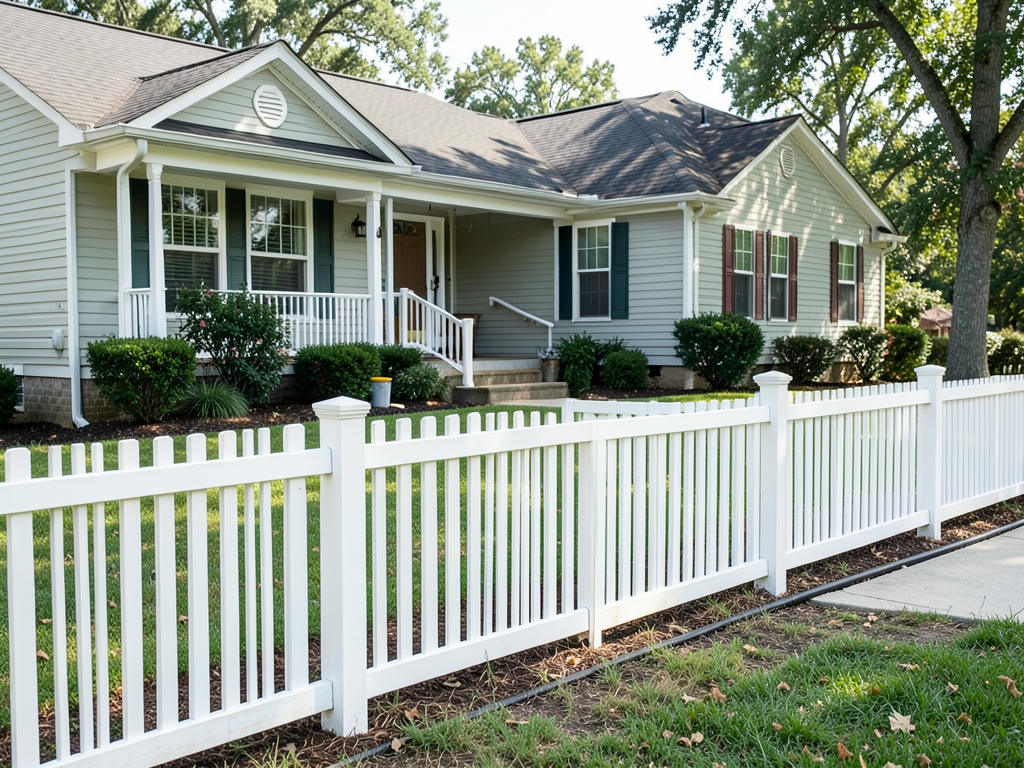
Home/Fence Contractor/Ornamental Fencing
Castle Fence Company
Ornamental fencing in White, GA for defined boundaries
Open views, deliberate details
Ornamental fencing in White, GA defines your yard without closing off the view. We help you think through the layout, decorative details, and access points so your fence fits the way you use the property.
Ornamental fencing in White, GA: planning the layout
A useful ornamental fence layout balances the boundary you want to mark with the access you need to keep. Start by identifying which areas need enclosure, where people walk, and how equipment enters the yard. Ornamental panels can define a front yard, separate outdoor spaces, or create a visible boundary while preserving sightlines. As part of our fence contractor work, we discuss how the proposed fence relates to entrances, driveways, and existing features. A sketch with approximate dimensions is a useful starting point, but measurements and site conditions determine the actual layout.
Property lines should be established before post locations are finalized. An old fence, planting bed, or neighbor's mowing line is not dependable evidence of a boundary; a survey may be needed if the location is uncertain. Easements, utility routes, and any applicable approval requirements also deserve attention before digging. Tell us about irrigation, buried pet fencing, drainage pipes, and other private underground features. Marking visible obstacles early helps distinguish a simple straight run from a layout that needs extra corners, shorter panels, or a different gate position.
Which ornamental fence material fits your property?
Material choice affects weight, maintenance, appearance, and how a fence handles everyday exposure. Ornamental aluminum is generally lighter and does not develop iron rust, while steel typically offers greater rigidity at comparable dimensions. Traditional wrought iron involves different fabrication and maintenance considerations and should not be used as a catchall name for every black metal fence. When discussing a design, ask what the panels and posts are actually made from, how the joints are formed, and what finish protects the metal. The specifications matter more than a style name alone.
Picket shape, top profile, rail count, and spacing change both the appearance and function of an ornamental fence. A flat top reads differently from projecting finials, and a closely spaced lower section may matter if small pets use the yard. Ornamental fencing is not a privacy screen; if blocking views is the priority, wood fencing offers a different approach to enclosure. Decide first what the boundary must accomplish. Then compare decorative details with practical needs such as pet containment, visibility near entrances, and comfortable access through gates.
How is an ornamental fence installed on uneven ground?
Changes in grade determine whether ornamental panels follow the slope or step down in separate levels. Rackable panels can angle within their design limits, while stepped panels remain level and leave varying spaces beneath them. Neither approach suits every site. A slope review should consider the largest ground gap, transitions between sections, and the visual line along the top. Low areas and drainage paths also need attention so the fence does not become an obstacle to water flow. For pets, the gap beneath the fence can matter as much as the spacing between pickets.
Installation generally moves from layout and post marking to excavation, post setting, panel attachment, and final adjustment. Post depth, footing dimensions, and attachment methods depend on the selected system, soil conditions, loads, and applicable requirements. Rocks, roots, or old concrete can slow excavation or require a revised position. Where concrete footings are used, they need appropriate curing time before receiving loads; surface hardness alone does not establish readiness. Once the posts are ready, panels can be fitted and checked for alignment, clearances, secure connections, and consistent transitions along the fence line.
Planning ornamental fence gates and everyday access
Gate openings should be sized around what must pass through them, not just what looks balanced between panels. A walking gate, mower opening, and driveway entrance have different clearance needs. Measure the widest equipment you expect to use and allow room for maneuvering. Gate swing also matters: a rising driveway or nearby planting bed can interfere with opening even when the gate itself fits. Corner locations, steps, and paths should be considered together so the finished fence does not force an awkward route through an otherwise usable outdoor space.
Gate posts and hardware need to support repeated movement as well as the weight of the gate. Hinges, latches, clearances, and stops should match the application, and a large opening may require a different support arrangement than the adjacent fence panels. If powered access is part of your plan, gates and automation should be considered before the surrounding fence layout is fixed. Power routing, operating clearance, access controls, and safety provisions can influence the opening. Discuss those needs early rather than treating automation as an accessory to add after installation.
What affects ornamental fence scope and installation time?
The scope depends on much more than the length of the fence. Height, material specifications, decorative features, gate count, changes in direction, and ground conditions all influence the work involved. Removing an existing fence adds another task, especially where old footings occupy proposed post locations. Restricted access can make moving materials and excavating holes more involved. Straight, accessible runs generally move faster than short sections interrupted by obstacles. Custom fabrication or special-order components can also extend the planning stage before any installation work begins, so material availability belongs in the scheduling conversation.
Installation timing follows the sequence of preparation, excavation, footing readiness, panel fitting, and gate adjustment rather than a universal day count. A modest, straightforward layout may involve several work stages, with waiting periods between them when footings or materials require it. Before work, clear movable furniture, planters, and stored items from the fence route, arrange access, and keep pets away from the work area. Ask which items need moving, what access must remain available, and how open sections will be handled during installation. We can discuss the expected sequence against your particular layout and access needs.
Call (470) 334-2325 to discuss your fence
Plan your ornamental fence with Castle Fence Company
Call • (470) 334-2325Questions
Questions to ask before choosing an ornamental fence
Does ornamental fencing provide privacy?
Ornamental fencing generally defines a boundary without providing substantial privacy. Its open picket design preserves views through the fence, which can suit front yards and visible outdoor spaces. If screening is important, tell us which views you want to block before choosing a material. Decorative details alone will not make an open panel function like a solid fence.
Can an ornamental fence keep a small dog in the yard?
An ornamental fence may contain a small dog if its openings, height, and ground clearances suit that animal. Measure the gaps between pickets and beneath panels, especially on slopes, rather than relying on overall fence height. Climbing, jumping, and digging behavior also matter. No open fence design should be assumed suitable for every pet without reviewing those details.
How much maintenance does ornamental fencing need?
Maintenance depends on the metal, protective finish, installation details, and exposure. Periodically check for loose fasteners, coating damage, gate sag, and soil or vegetation collecting against the fence. Steel with damaged protection may need prompt attention to limit corrosion. Use cleaning and touch-up methods recommended for the specific product rather than applying a generic coating over an unidentified finish.
What should I compare when searching for ornamental fencing near me?
Compare the actual material specifications, proposed layout, gate details, and included work rather than appearance alone. Ask about panel dimensions, post construction, finish, slope treatment, and removal of existing materials if needed. For ornamental fencing in White, bring approximate measurements and photos to the discussion. Those details help us understand the boundary and identify questions that need an on-site review.