
Home/Fence Contractor/Wood Fencing
Castle Fence Company
Wood fencing in White, GA for privacy and boundaries
Plan the layout before choosing the boards
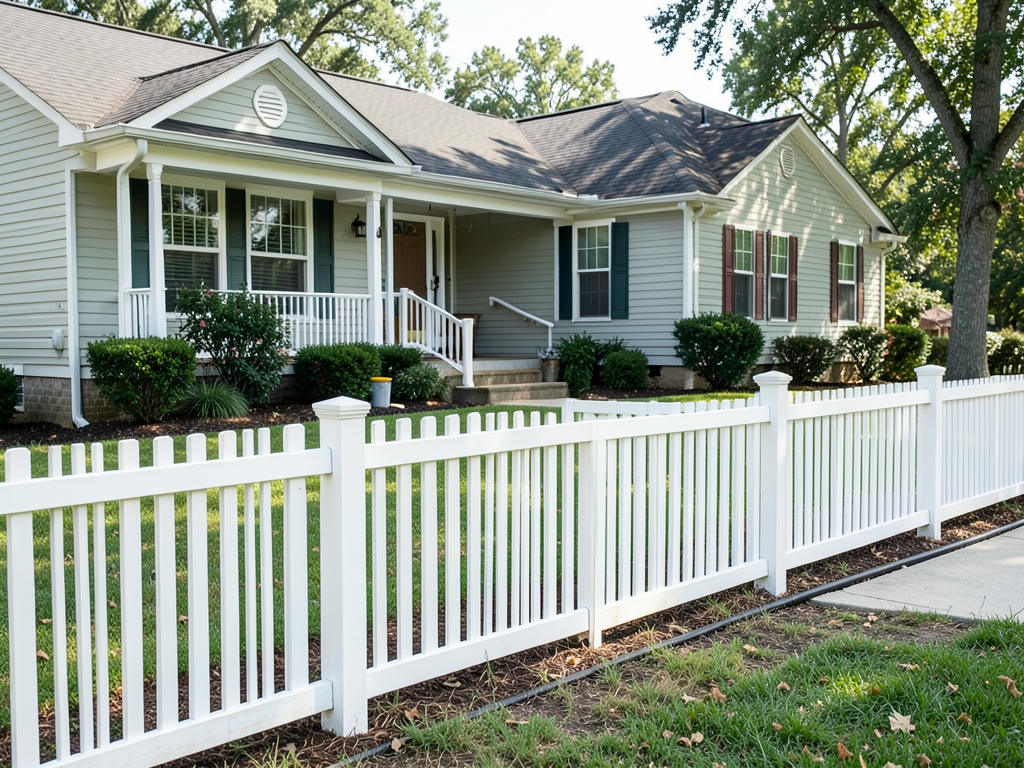
Wood fencing in White, GA gives you a way to define your yard, screen nearby views, and control access. We help you consider the fence line, board style, ground conditions, and gate openings so your choices fit how you use the property.
Which wood fence style fits your yard?
The right wood fence style starts with what you need to block, contain, or leave visible. Closely spaced vertical boards offer stronger visual screening than open pickets, while spaced designs keep sightlines more open. Shadowbox layouts alternate boards on opposite sides of the rails, but angled views can still pass through the gaps. When you ask us about wood fencing in White, we start with your priorities: privacy near a patio, a clearer property boundary, or an enclosure with suitable spacing for your household.
Material and layout choices should work together rather than compete. Pressure-treated lumber is commonly used where decay resistance matters, while cedar is another familiar fencing material with different appearance and maintenance considerations. Ask which wood species, board thickness, post dimensions, and fasteners are being specified. Horizontal boards can need different support spacing than vertical boards to limit movement. A general fence contractor discussion can help you compare these structural choices before settling on appearance. We keep the focus on the wood fence you actually need.
How is a wood fence installed?
Wood fence installation begins with a confirmed route, planned openings, and checked digging areas. Property boundaries should come from reliable records or a survey, not an existing fence alone. Underground utilities need to be located before digging, and privately installed lines may require separate attention. The layout then establishes corners, end posts, gate posts, and intermediate post positions. Changes in direction and elevation matter here because they affect rail lengths, board placement, and the finished top line. Sorting out those details early helps prevent awkward adjustments later.
Posts form the framework, so their depth, spacing, alignment, and footing design need to suit the fence height and site conditions. Once posts are stable and any concrete has developed the necessary strength, rails and boards can be attached. Fasteners should be compatible with the selected lumber, especially treated wood. Board spacing must account for the material's moisture condition and likely movement as it dries. The final checks include alignment, exposed fasteners, ground clearance, and gate operation. Each stage builds on the accuracy of the one before it.
What changes the scope of wood fencing in White, GA?
Fence length is only one part of the scope; terrain, access, demolition, and openings also matter. A straight run over accessible ground is different from a route interrupted by roots, hard digging, tight corners, or existing footings. Replacing a fence may involve removing buried post remnants rather than simply pulling out visible boards. Ask what removal and disposal cover before work is planned. We also want to understand how materials can reach the fence line, especially where a narrow side yard or established landscaping limits access.
Sloped ground requires a deliberate choice between a stepped fence and one that follows the grade. Stepping creates level sections with changing gaps below them, while following the slope changes how rails and boards meet. Either approach needs attention if small animals could pass underneath. Installation timing also depends on digging conditions, material availability, the number of gates, and concrete curing. Layout and post setting usually precede rail and board work in separate stages. Avoid treating a general installation estimate as a fixed schedule before those conditions are understood.
Plan wood fence gates around everyday access
A gate opening should fit what needs to pass through it, not just the available gap between posts. Think about lawn equipment, trash containers, garden supplies, and occasional large deliveries. Measure the widest item and allow practical clearance for hands and turning. A wide wood gate places more leverage on its hinges and posts than a narrow pedestrian gate. Proper support and bracing matter because sagging can make the latch difficult to align. We discuss opening width, swing direction, and nearby obstacles before those decisions become fixed.
Ground clearance needs special attention along the full path of a swinging gate. Rising ground, roots, pavement edges, or a nearby retaining feature can interfere even when the closed gate looks correct. If powered access is part of your plan, gates and automation introduce additional questions about gate weight, controls, and safe movement. Those considerations belong in the initial layout rather than after the fence is finished. For ordinary yard access, decide where the latch should sit and how you want to secure it.
How should you prepare for a wood fence project?
Preparation starts with identifying the intended boundary, checking applicable requirements, and clearing a workable route. Confirm any property restrictions or approval requirements before choosing a height or style. Move furniture, planters, stacked materials, and other portable items away from the proposed line. Tell us about irrigation, landscape lighting, buried pet-fence wires, and drainage concerns that may not be obvious. If you are comparing results for wood fencing near me, ask each contractor to describe the same route, height, materials, and openings so the scopes are genuinely comparable.
Long-term care should influence the design before installation, especially where boards sit near soil or vegetation. Wood naturally changes color, expands, contracts, and may develop surface checks; keeping soil and mulch away from boards helps limit persistent moisture exposure. Stain or sealer timing depends on the product instructions and how dry the lumber is. Where visibility and airflow matter more than a wood privacy screen, chain link fencing offers a different material choice worth considering during planning. For wood, leave enough access to inspect fasteners, maintain finishes, and trim nearby growth.
Discuss your layout, materials, and access needs
Plan your wood fence with Castle Fence Company
Call • (470) 334-2325Questions
Wood fence planning and maintenance questions
How long does it take to install a wood fence?
A wood fence is generally installed in stages over several days, with the overall schedule depending on the site and scope. Layout, digging, post setting, and board installation do not always happen consecutively. Concrete curing, difficult ground, old fence removal, and custom gate details can extend the timeline. Ask for a schedule based on your actual layout.
Will a wood privacy fence completely block the view?
A wood privacy fence can substantially screen a view, but complete visual blockage depends on board layout and viewing angle. Boards may shrink as they dry, creating small gaps. Shadowbox styles allow angled views between boards. Discuss the specific sightline you want to block, including views from higher ground, before choosing the fence height and construction.
Can a wood fence be built on sloped ground?
Yes, a wood fence can follow sloped ground through a stepped or grade-following layout. The choice affects the top line and the openings beneath the fence. Steeper changes may require shorter sections or additional layout adjustments. If containment is important, explain what needs to stay inside so the lower gaps receive attention during planning.
When should I stain or seal a new wood fence?
Stain or seal a new wood fence when the lumber is dry enough for the selected finish and the product's application conditions are met. Newly treated wood may need time to release moisture. Follow the finish manufacturer's guidance rather than a fixed waiting period, and account for surface preparation, temperature, and drying conditions before applying it.
What should I have ready before calling about wood fencing?
Have an approximate fence length, your intended layout, and your main purpose ready before calling. Photos of slopes, existing fencing, access paths, and planned gate locations can help explain the project. You do not need to settle every material choice first. Call Castle Fence Company at (470) 334-2325 to discuss your wood fencing plans.